Silver Payal Purity: 925 vs 800, and How to Buy Real Silver Anklets in India (2026)
Updated 2 November 2026 · By the Shining Silver team (Mayank Chains & Jewels, Mathura) · 5-minute read
Quick answers
- Are silver payal 925 or 800? Both. Government data shows payal and anklets are the largest category of hallmarked silver and are mostly hallmarked in 800 grade (80% pure). 925 sterling silver (92.5% pure) is the other common grade.
- Which is better? 925 holds more silver and is the usual grade for daily-wear silver jewellery. 800 is a legitimate BIS grade but should cost less.
- How big is the price gap? At about ₹200 per gram for 999 silver (2 November 2026), metal value is roughly ₹185 per gram for 925 and ₹160 per gram for 800: about ₹2,500 more on a 100 g pair. Check the live silver rate today before you buy.
- How do you check a payal is real? Look for the BIS mark with the word SILVER, the grade and a 6-character HUID code, then verify the HUID in the BIS Care app.
- What GST applies? 3% on silver jewellery, charged on the total transaction value according to the GST Council’s FAQ.
What purity grades are silver anklets sold in?
Silver hallmarking in India recognises seven grades: 800, 835, 925, 958, 970, 990 and 999. For anklets and payal, you will mostly meet two of them. BIS data shows that 925 and 800 together account for nearly 95% of hallmarked silver articles.
| Grade | Silver content | Where you will see it | Metal value per gram at 2 Nov 2026 |
|---|---|---|---|
| 999 | 99.9% | Coins, bars, idols | about ₹200 |
| 925 (sterling) | 92.5% | Jewellery, many anklets | about ₹185 |
| 800 | 80.0% | Many traditional payal, diyas, utensils | about ₹160 |
999 fine silver is soft, so it is used for coins, bars and idols rather than silver anklets. For more on the difference between grades, see our guide to 925 sterling silver anklets.
Why do so many silver payal carry an 800 hallmark?
When BIS reported the first three months of HUID hallmarking for silver, payal and anklets were the largest category and were predominantly hallmarked in 800 grade, followed by silver diyas in 800 and 925. We cannot speak for every jeweller’s reasons, but a higher share of alloy generally makes the metal harder and the price lower, so the grade matters most when you compare prices.
An 800 payal is not “fake”. It is a recognised BIS grade. The problem arises when 800 silver is sold at a 925 price, or when no grade is stated at all.
How much more does a 925 payal cost than an 800 payal?
This illustrative example uses a pair weighing 100 g and the 2 November 2026 rate of about ₹200 per gram for 999 silver. It assumes 10% making charges and 3% GST on the total. Real payal weights, making charges and rates vary.
| 100 g pair | 925 payal | 800 payal |
|---|---|---|
| Metal value | 100 × ₹185 = ₹18,500 | 100 × ₹160 = ₹16,000 |
| Making charges at 10% | ₹1,850 | ₹1,600 |
| Subtotal | ₹20,350 | ₹17,600 |
| GST at 3% | about ₹611 | ₹528 |
| Approximate total | ₹20,961 | ₹18,128 |
The grade alone changes the metal value by about ₹2,500 on a 100 g pair, and the gap grows once making charges and GST are applied. Always compare the grade, the net weight and the final invoice, not just the price per piece.
How to check that a silver payal is real
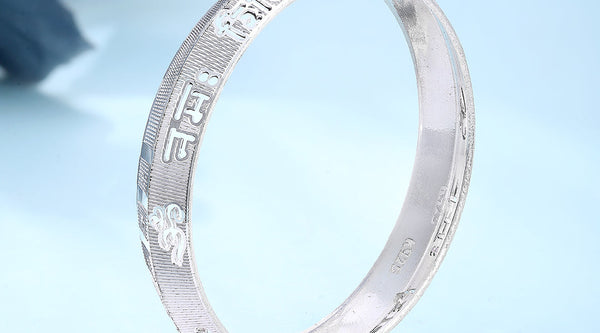
- Find the hallmark. Look for the BIS logo with the word SILVER, the purity grade and a 6-character HUID code, usually near the clasp or on a flat inner surface.
- Verify the HUID. Open the BIS Care app, choose Verify HUID and enter the code. If the app cannot find it, ask the seller to explain before you pay.
- Match the grade to the price. Ask what grade the payal is and what rate per gram you are being charged.
- Get an itemised invoice with net silver weight, grade, making charges and GST.
- Run the basic tests. Our guide on how to check if silver is real explains the visual, magnet and other checks, and when to skip the risky ones.
Hallmarking is voluntary, so an unmarked payal is not automatically fake. Since September 2025, any hallmarked silver must carry a HUID, and BIS says more than 77 lakh silver pieces have been hallmarked since then.
Buying a pearl anklet or a payal with stones and ghungroo
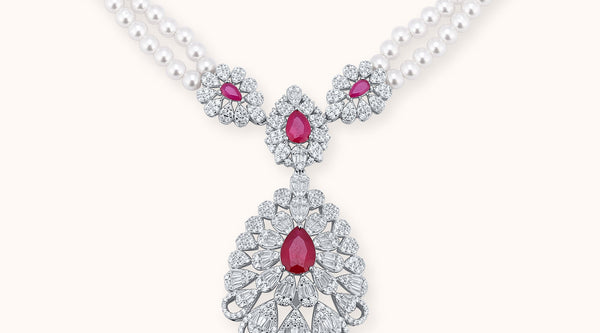
If you shop for a pearl anklet online, remember that the purity grade applies to the silver part only. Pearls, stones, beads and ghungroo (small bells) add weight that is not silver. Ask for the net silver weight and the grade, and check them against the product page and the invoice. You can compare designs across our silver anklets collection, then apply the same questions to any piece you like.
Light daily-wear anklet or heavy traditional payal?
A BIS survey found that 74% of silver hallmarking demand is for articles of 10–50 g, mainly anklets, chains, rings and bracelets in 925 and 800 grades. Lighter 925 anklets are a common choice for daily wear, while heavier traditional payal are typically bought for weddings and gifting. Whichever you choose, the weight, grade and making charges on the invoice decide the real price.
Silver payal buying checklist
- Decide your budget in rupees and in grams.
- Ask for the grade (925 or 800) before you ask for the price.
- Check the BIS mark, SILVER, grade and HUID.
- Ask for net silver weight if the piece has pearls, stones or bells.
- Confirm making charges and GST on the invoice.
- Ask for the buyback or exchange policy in writing.
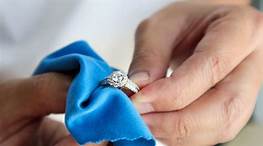
- Store the payal dry, in a pouch, and wipe it with a soft cloth after wear.
Frequently asked questions
Is silver payal 925 or 800?
Both grades are sold. Government data shows payal and anklets are the largest category of hallmarked silver and are predominantly hallmarked in 800 grade, which is 80% pure. 925 sterling silver, at 92.5% pure, is the other common grade. The grade stamped on your piece tells you which one you have.
Which is better for silver payal, 925 or 800?
925 sterling silver contains more silver and is the usual grade for daily-wear silver jewellery. 800 is a legitimate BIS grade, but it holds less silver, so it should be priced lower. Choose based on the grade marked, the price per gram and the invoice.
How can I check if my silver payal is real?
Look for the BIS mark with the word SILVER, a purity grade such as 925 or 800, and a 6-character HUID code. Verify the HUID with the Verify HUID option in the BIS Care app. A stamp reading only “925” or “silver” is not proof on its own, so ask the seller for the invoice and purity details.
Is hallmarking mandatory for silver payal?
No. Silver hallmarking is voluntary in India, although BIS is assessing whether to make it mandatory. If a payal is hallmarked, it must carry a BIS mark, a purity grade and a HUID code. An unmarked payal is not automatically fake, but you should ask for proof of purity.
How is the price of a silver payal calculated?
Price is the weight in grams multiplied by the silver value for the grade, plus making charges, plus 3% GST. At 2 November 2026 rates, metal value is about ₹185 per gram for 925 and ₹160 per gram for 800. Making charges and design vary by jeweller.
Does a pearl anklet have the same silver purity as a plain payal?
The purity grade applies to the silver part only. Pearls, stones and ghungroo add weight that is not silver, so ask for the net silver weight and the grade on the invoice before comparing prices.
Why does silver payal turn black? Does that mean it is fake?
Real silver can tarnish when it reacts with sulphur compounds in air and sweat, so blackening alone does not prove a piece is fake or genuine. Wipe with a soft dry cloth, store it in a dry pouch, and rely on the hallmark and HUID to judge authenticity.
About Shining Silver
Shining Silver is run by Mayank Chains & Jewels from Tilak Dwar, Holigate, Mathura. Check each product page for weight, grade and pickup or delivery details before you order.
Sources
- Silver hallmarking grades and HUID: BIS standard IS 2112:2025 as reported by Deccan Herald, Aditya Birla Capital, Business Today (5 June 2026) and Indian Jeweller.
- Payal and anklet share, 925 and 800 share, and 10–50 g demand: Deccan Herald reports on BIS and Ministry of Consumer Affairs statements, and Indian Jeweller (31 August 2026).
- Silver rates: Goodreturns, Groww, Kotak Neo and Axis Max Life (2 November 2026).
- GST: GST Council FAQ on gems and jewellery (gstcouncil.gov.in).
This guide is for general information and is not financial advice. Prices and rules can change.