How to Sell Old Silver Jewellery in India: Value, Deductions and How to Get a Fair Price
Updated 3 November 2026 · By the Shining Silver team (Mayank Chains & Jewels, Mathura) · 6-minute read
Quick answers
- How is old silver valued? By net silver weight × purity × the day’s silver rate, less any deductions the buyer applies.
- Do I get back making charges? Generally no. Jewellers usually pay for the metal content, not the design or making charges.
- How big are deductions? They vary widely by buyer. Some buyers apply small percentages; one rate site notes melting charges of 15% or more may be deducted. Ask for the breakdown in writing.
- How do I check purity? Look for a BIS hallmark with a HUID, or ask the buyer to test the piece in front of you, for example with XRF.
How old silver is valued
The formula is: net weight × purity × rate. Net weight excludes stones, pearls, enamel, lac, solder and dirt. Purity is the grade: 925 means 92.5% silver, 800 means 80%, 999 means 99.9%. The rate is based on 999 silver, so check the live silver rate today before you go.
Here is an illustrative example for 100 g of 925 jewellery at about ₹200 per gram for 999 silver (2 November 2026).
| No deduction | 5% deduction | 15% deduction | |
|---|---|---|---|
| Metal value (100 g × 92.5% × ₹200) | ₹18,500 | ₹18,500 | ₹18,500 |
| Deduction | ₹0 | ₹925 | ₹2,775 |
| Amount you receive | ₹18,500 | ₹17,575 | ₹15,725 |
The deduction levels are examples, not market quotes. The point is that the buyer’s deduction can change what you receive by thousands of rupees.
Why you don’t get the original price back
When you bought the piece, the bill included making charges and 3% GST on top of the metal value. A buyer values only the metal, so those parts are generally not recovered. Coins and bars usually resell closer to the metal rate because they have little or no making charge.
How purity is tested
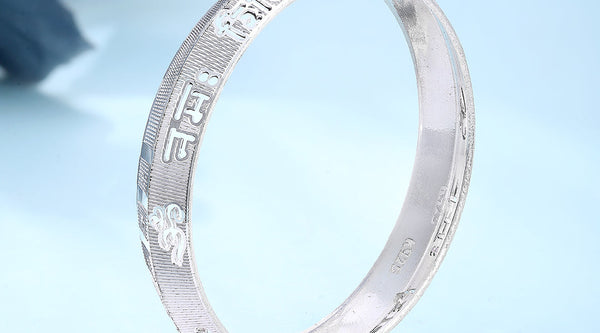
- Hallmark: A BIS mark with SILVER, the grade and a 6-character HUID is the easiest proof. Our guide on how to check if silver is real explains the marks.
- XRF testing: An X-ray fluorescence machine reads the metal composition without damaging the piece. Ask to see the reading.
- Melting or touch tests: Some buyers use these. Ask them to do it in front of you.
- Independent testing: BIS-recognised assaying centres test articles for a fee, which can help if you want a second opinion.
Step-by-step checklist before you sell
- Weigh the piece and note any stones, pearls or enamel.
- Find the grade (925, 800 or 999). See what 925 sterling silver means.
- Check the day’s silver rate.
- Get quotes from at least two or three buyers.
- Ask each buyer for the deduction breakdown (testing, melting, wastage) in writing.
- Watch the weighing and testing yourself.
- Compare cash with an exchange offer on new jewellery, and compare the net outcome, not the headline rate.
- Keep the invoice and take a receipt that records weight, purity, rate and amount.
Is tax payable when you sell?
Silver jewellery is a capital asset. According to published guidance, gains on physical silver held for more than 24 months are generally long-term and taxed at 12.5% without indexation, and shorter holdings are taxed at your slab rate. Many people selling personal jewellery at a loss or a small gain owe nothing, but check with a CA.
Frequently asked questions
How much will I get for old silver jewellery?
You will generally receive the value of the net silver weight at the day’s rate for its purity, less the buyer’s deductions. Making charges and GST you paid at purchase are generally not recovered. Compare quotes from more than one buyer.
How is old silver jewellery valued?
Value is net silver weight multiplied by purity and the day’s silver rate. Weight of stones, pearls, enamel, lac and solder is excluded. A BIS hallmark with a HUID makes the purity easy to confirm.
Do jewellers deduct making charges when buying old silver?
Jewellers usually pay for the metal content only, so the making charges in your original bill are not paid back. Some also apply melting or testing deductions. Ask for a written breakdown before you agree.
Can I sell silver to a jeweller who did not sell it to me?
Many jewellers buy silver from other sellers, but terms differ. Some apply higher deductions for pieces they did not sell. Ask for their purity test and deduction details before you decide.
Is it better to exchange old silver or sell it for cash?
Compare the net outcome. An exchange against new jewellery can offer better terms at the same store, but you still pay making charges and GST on the new piece. Ask for both offers in writing.
Do I need the original bill to sell silver?
Not always, but a bill helps establish purity and weight, and it supports your tax records. Keep invoices and hallmark details for any piece you may sell later.
About Shining Silver
Shining Silver is run by Mayank Chains & Jewels from Tilak Dwar, Holigate, Mathura. Check each product page for weight, grade and pickup or delivery details before you order.
Sources
- MMTC-PAMP silver bullion buyback guide and gold buyback tips.
- Business Standard: Old jewellery exchange schemes and deductions (May 2026).
- BankBazaar silver rate guide on melting deductions.
- Kotak Neo and ClearTax tax guides on gold and silver (2026).
- Silver rates: Goodreturns, Groww and Kotak Neo (2 November 2026).
This guide is for general information and is not financial, tax or medical advice. Prices and rules can change.